Imagine what you want to say to your patient goes through intact - crystal clear and potent? What if your messages are perceived straight into people’s brains without distortion, noise, or the need to think too much about it?
This article breaks down healthcare brand storytelling into a usable framework: messages + story blocks, plus examples you can apply fast.
Well-told stories sell. why? Because they can go where quantitative analysis is denied admission: our hearts. Data can persuade people, but it doesn’t inspire them to act.
And today, we’re going to use Brand Storytelling to shrink the “psychic distance” between your medical business and your ideal patient so that a relationship can begin to develop.
Up until now, everything was internal. Your positioning, Brand DNA, and Brand Voice. And today, we’ll tie everything together to form a strong storytelling framework for effective messaging.
For the bigger picture, you can map this into your overall brand framework .
But first, let’s discuss why stories have a strong influence on us.
How stories influence preference-based judgments
Alongside the ability to influence is the fact that people automatically link stories to their own experiences to make them more relatable. We cry, laugh, and get angry when we watch stories because we’re drawing parallels with our own lives.
And if your brand can craft a well-plotted story, your audience will share the emotions of the characters in it, and after it ends, they will likely continue mimicking the feelings and behaviors of those characters.
This explains the feeling of dominance you have after James Bond saves the world, and your motivation to work out after watching the Spartans fight in 300.
This also means that you can turn your medical brand’s selling points into a story that tells the tale of frustration or problem that your patient can associate with their own experience. You can then ‘plant’ your medical business as the happy resolution to that story. Once you’ve planted that idea, people will continue with the narrative of their own experience and “come up” with the idea of using your care service to solve their issue.
But the sad truth is, everyone is a storyteller nowadays. I’m sure that you’ve heard the term “storytelling” before and I’m equally sure you’re still wondering about its practical results/implementation in a closely regulated industry like healthcare
This is why today, I’m going to share with you the following:
- How Storytelling works in healthcare
- Examples of storytelling
- Practical Step-by-step strategy for using storytelling to market your medical business
- Workshop exercises, frameworks, and worksheets to give you a head start
Let’s dive in.
Brand Storytelling Strategy: The unmatched way of marketing your medical business
Brand Storytelling is a strategy used to communicate with your target audience in a novel, digestible, and more trustworthy way. The strategy focuses on creating inspiring stories around your brand, its care services, and your audience.
There are 4 key components of this strategy, let’s tackle each.
The 4 components of brand storytelling

1) Brand DNA

This refers to the core aspects of your brand: the credo of your medical business and the values that glue it together. If you haven’t built that foundation yet, start here: Medical branding strategy
2) Core Messages

Core Messages are all you need your patient to know about your brand, how it can benefit them, and what makes it different. These messages will not focus on your brand per se but on what it can do for your audience.
In particular, core messages contain the following:
- Differentiators
- What makes your medical brand different from other alternatives? And how can this benefit your audience?
- Key Benefits
- What are the benefits your care services provide to your patient/customer? How does it enhance the patient experience or outcomes?
- Audience
- Who is your target audience and what do you want them to understand about your brand? And why are we catering to them?
- Pain-Points
- What challenges they are facing your services can solve? How these obstacles are hindering their progress?

These messages will act as the “theme” of your storytelling campaign and will direct every touchpoint (point of contact) your patient has with your brand.

3) Secondary Messages

Unlike the Core Messages, Secondary messages are more centered around your brand, its purpose, and mission. In this stage, you’ll hone in on the true north that guides your firm and the values it upholds. These messages are secondary to the campaign but are crucial for brand awareness.
Secondary Messages will stem from your brand’s pillars, credo, and “future brand” vision (see: Medical branding strategy ).

4) Communication Framework

Your audience is probably busy people who won’t have the time to hear your “story about x”. Your audience’s attention span is limited. And to convey your brand’s messages you’ll need a new way of communication. This is where the communication framework comes in.
At this stage, we’re going to develop a framework from which you can easily dissect the story blocks and communicate them to your audience. I’ll share some examples in a minute. But first, let’s see the main component of this framework.
The Communication Framework (CF) Contains two main components: 1) The message blocks (these are your Core and Secondary Messages). And 2) Story Blocks.

Story blocks are what will allow you to communicate with your audience in a novel way. Let’s see how they work.
What are Story Blocks and why do they work?
Story blocks are the formula we’re going to use to launch the campaign as a form of a story. This formula has been used in novels, movies, and famous plays. The messages we’ve been developing up until now will be deployed in a manner akin to a novel or a movie, but this time, it’ll market your medical business and its care services/products.
This formula follows a dramatic arc in which a character (your audience) struggles and eventually finds heretofore unknown abilities (your brand) and uses these to triumph over adversity; many studies show that the brain is highly attracted to this story style.

This formula contains 7 blocks:
- Current State (The Existing World)
- This is the current state of your audience without your services/brand. At this stage, we create an environment that is relatable to your target audience and all the marketing messages should create a sense of familiarity and build trust.
- The Obstacle
- This block will contain messages that relate to the problems your audience is currently facing. all the messages here must be aimed at these issues and how we can assist the patient to navigate them.
- Call To Action
- This section will focus on the consequences of unresolved issues and what might happen if these issues are left untreated. This will trigger adaptation for your services/products and highlight the issues it solves.
- Meeting The Guide
- The guide here is your brand. Here we showcase what your brand can do and how it can slash your audience’s problems in half. Marketing messages in this section should reassure, assist, and help your audience progress towards better results using your services/products.
- Challenge
- In this section, we’re going to highlight the aspects of fears, challenges, and inner insecurities and try to relate to your audience. Thus creating trust and preference towards your brand.
- Change
- Your target audience is looking for a change. Otherwise, they wouldn’t invest in your care services. This phase will shed light on what is the impact and transformation your brand had on its patients.
- The New State (The New World)
- Marketing in this stage will be on how your audience’s life without the problems they faced before. Unlike the first story block, messages here will focus on how life is after your brand solved all of its issues.

# Note
It is important to remember that in the storytelling campaign, the “hero” is your target audience. Your brand will play the role of the “guide” or the brand that helps them solve their issues and accelerates their progress.
Examples of medical brand storytelling
Now that we have our Message Blocks and Story Blocks, we can use the Communication Framework to form marketing assets and deploy our messages as stories.
To launch the campaign, we need to select what parts of the story we need to market and what messages we need to infuse in these stories.
Let’s say that your hospital brand is all about safety and your target audience is safety-minded people.
Here’s an example of a campaign that stresses your audience’s challenges (being safe whilst in an insecure place) while speaking to them at a deep level.

You could then take this idea of how to be safe during uncertain times and make a series of marketing messages around the audience’s challenges and how your brand (the guide) helps them overcome such issues.
Another example: Let’s say that your audiences are dentists and your brand sells CEREC Machines. A good way to start the storytelling campaign would be to form a combination between dentists’ pain points and their obstacles.
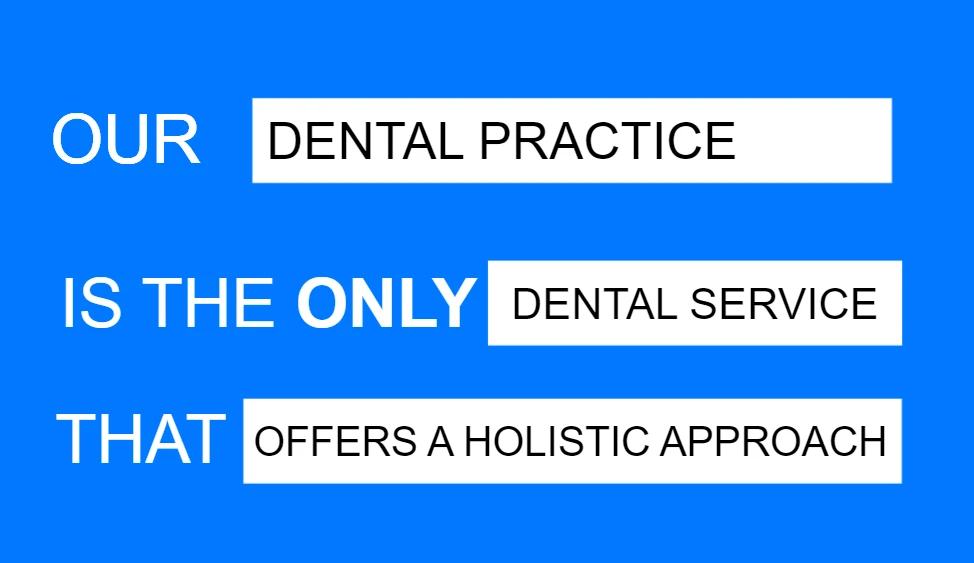
Or if your brand is a maternity hospital and your target audience are mothers-to-be:

Now, all that is left is selecting what part of the story we’re going to tell next and in what medium or platform the story will be distributed.

Brand Storytelling Workshop
Note: You can access the workshop by clicking here
This workshop is the practical step-by-step process to what we’ve been discussing so far. We’re going to craft a communication framework from which you’ll be able to market your medical business in the form of a story.
Note: this framework involves writing and brainstorming. If you’re short on time, hand it to your team—or use it as a checklist to guide your next website/campaign refresh.
1) Brand Messages Exercise ⏰ [15-25 minute]

In this exercise, we’re going to craft your brand’s Core Messages (CM) and Secondary Messages (SM). These messages will be then used in the communication framework to convey your brand’s characteristics and its differentiators.
CMs will be focused on your audience, their pain points, and your differentiator. The goal of these messages is to highlight the benefits of using your care services and the solution you provide.
SMs, on the other hand, is focused on your brand, its purpose, and its values. These messages will be less prominent in your marketing but they are essential in some stages.
Let’s dive into the exercise.
🔴 Action Step: Fill in the Brand Messages Table
To start the exercise, explain to the team the goal of the Brand Messages and follow the next steps:
- In the Core Messages column:
- To craft Core Messages, we’re going to apply the single word question formula to your Audience, their pain points, key benefits, and differentiator. We want to expand on these aspects and form messages around them.
- Apply the single word question formula on each element by posing the appropriate question on the element. For example: on the audience element, we might pose the question Who and Why. E,g. Who are we catering to? And why are we catering to them? After that write down your answer on a sticky note and pin them in the core messages column. Be elaborate in writing down these answer and keep in mind your brand’s voice
- Another example might be the differentiator. E,g. How are we different from other medical brands? And What makes us the only one? Do the same thing for the first four elements and pin the answer in the core Message column
- In the Secondary Messages column:
- Apply the same steps to fill in the SM column. Start by asking the appropriate question to the following components: Brand’s why, Brand’s How, Brand’s Pillars, and Future Brand.
- E,g. What are our brand Pillars and How are they helping our patients/brand facilitate their success? Another example will be: How is our brand purpose (Brand’s why) different from others? And What makes it unique?
- Do the same thing for the rest of the components and pin your answer to the SM column
Once you’re done, you’ll end up with a result like this:

These elaborate answers will form your Brand Messages and you’ll be able to inject them later with your brand’s marketing.
2) Brand Story Framework Exercise ⏰ [15-25 minute]
The goal of this exercise is to brainstorm story ideas at each stage of the storytelling campaign: The Existing World, The Obstacle, Call To Action, Meeting The Guide, The Change, and The New World. These micro ideas will then be turned into a marketing asset (video, blog article, event, etc) using the Communication Framework (we’ll see how next).
This way your marketing will be directed by a story framework and will provide your audience with a story-like theme while highlighting your positioning and building credibility.
Keep in mind: that Storytelling in marketing is like watching the movie pulp fiction. Although the scenes are not in a particular order, in the end, they will form a coherent understanding of the plot. Same with your brand storytelling. Your audience will not consume these stories in chronological order, but through the constant exposure with your brand, bit by bit, the whole story is conveyed.
🔴 Action Step: Fill in the Story Blocks

Begin by stating the objectives of this exercise to the participants. There are 7 sub-exercises in this section but they all follow the same instruction. If you have a big team you might want to divide your team to separate group and each group will be responsible for each sub-exercise
After that, follow the next steps:
- Each sub-exercise contain three columns:
- Story Answer: in this column, you will write down the answers to the questions on the left-hand side. These questions are meant to provide you with what your audience is experiencing at this stage of the story. For example: in the obstacle stage (the part of the story where your target audience is facing problems/issues) questions like: “How do they feel about their problems” and “why can’t they overcome these issues” will provide us with great clarity on their current situation.
- Story Blocks: in this column, you’ll take the answers from the Story Answers column and string them together into an elaborate mini-story. This way we have a coherent description of their feelings.
- Micro Ideas: in this column, take the mini-story you formed in the Story Block column and derive micro-ideas and stories about it. The goal here is to generate as many micro-stories and ideas that relate to this stage of the story.
- Fill in the columns:
- Start by answering the questions using sticky notes and pinning them to the Story Answers column. Keep it brief.
- Elaborate on these answer by forming a mini-story out of these answers
- Derive micro-stories out of the mini-story in the Story Block.
Here are some examples:

Once you’re done, it’s time to use these story blocks and your brand Messages to market your medical business.
3) Brand Communication Framework

This is less of an exercise and more of a framework for you to deploy your content from. Think of this framework as the portal from which you produce marketing content/assets. Now all is left is the selection process and what part of the story you want to market to your patient.
For example, if you’d like to launch a marketing campaign around the problems your care services solve, you might want to go to The Obstacle block and grab the stories/micro ideas and pin them to the Story Block Column.
After that, go back to the Brand Messages Exercise and pick what part of your brand or positioning you want to highlight in the campaign. In this case, since we’re going to tell stories about The Obstacle your audience faces, you might want to select a core message that highlights your solution to this problem. This way there’s harmony in the messaging.
After selecting the story and the messages you want to market, pin them to their respective column in the Communication framework.

What’s left now is to turn these stories into marketing assets. You can do this yourself or you can hand this framework to your marketing team or outsource them easily.
Now everything is set and done, you can keep selecting what part of the story you want to market and what messages should be injected into them. This way your brand’s story will be communicated to your audience block by block.
Last step: Store this info
Since this workshop included a lot of information, you must save them for later use or for your team to do the marketing. And for this, you can access our free storytelling worksheets . These worksheets will help you save the information about your brand storytelling and core messages. This way they are more accessible and easy to hand out.
What’s Next?
Once your messaging is clear, the next lever is visual identity: make the brand feel like what you’re promising.
Part 4 of 6: Healthcare Branding Series
You’re reading Part 4 of a 6‑part series on building a medical brand people trust (and choose).
If you want to keep the thread:
- Previous: Humanizing healthcare brands
- Next: Medical brand identity design
- Or start a project: Contact